
-
Python Decision Making and Loops
Control Flow Control Flow in Python refers to the order in which the statements and instructions in a Python program are executed. By default, Python executes code sequentially from top to bottom, but control flow structures allow you to make decisions, repeat actions, or change the execution path based on conditions. The main control flow…
-
Python Basics
Expression A combination of values (E.g. 5) and operators (E.g. +), which will be evaluated to a value Example 9 * 98 # multiplies the numbers (result = 882)/ 1 # divides by 1 (so the value stays 882)print() # displays the result in the console Result Operators Precedence Is the order of operations (PEMDAS)…
-
C Language Compiled Code
C Language Compiled Code C Language Compiled Code refers to the machine-readable version of a program written in the C programming language. When you write C source code in human-readable files (.c and .h), it cannot be executed directly by a computer. A compiler translates this source code through several stages including preprocessing, compilation to…
-
Python Introduction
Computer Programming Computer Programming is the process of designing, creating, testing, and maintaining programs to perform specific tasks or solve particular problems. It involves translating logical solutions into a language computers can understand and execute. Programmers use languages like Python, Java, C++, or JavaScript to write code that instructs computers on how to carry out…
-
Application Layer
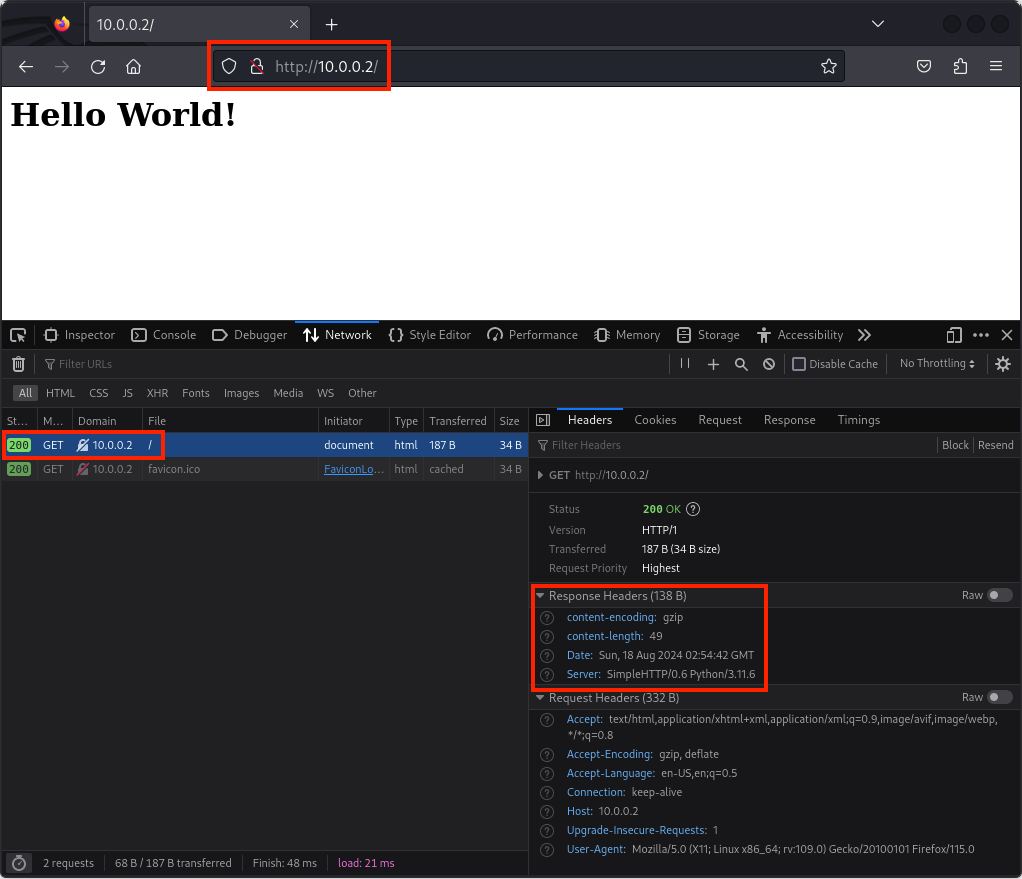
Application Layer The Application Layer is the seventh and topmost layer of the OSI model, providing the interface for end users to interact with network services. It acts as a bridge between user applications and the underlying network, allowing software to access communication functions without managing data transport or routing. This layer handles high-level protocols…
-
Presentation Layer
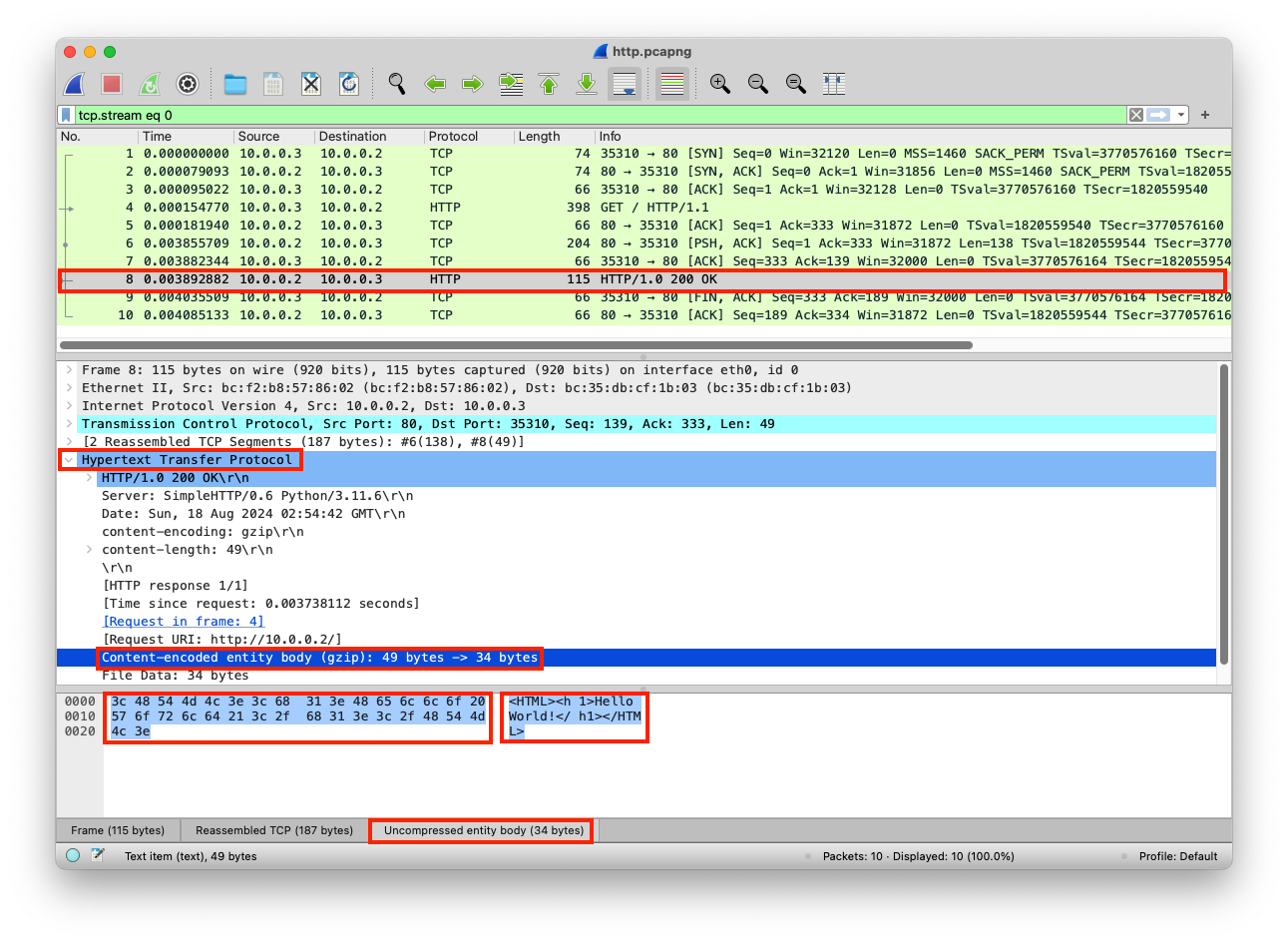
The Presentation Layer, which is Layer 6 of the OSI model, translates data between the application layer and the network transmission format. This ensures that data sent from one device can be correctly interpreted by another, even if they use different data representations. For example, it handles conversions between character encodings such as ASCII and…
-
Session Layer
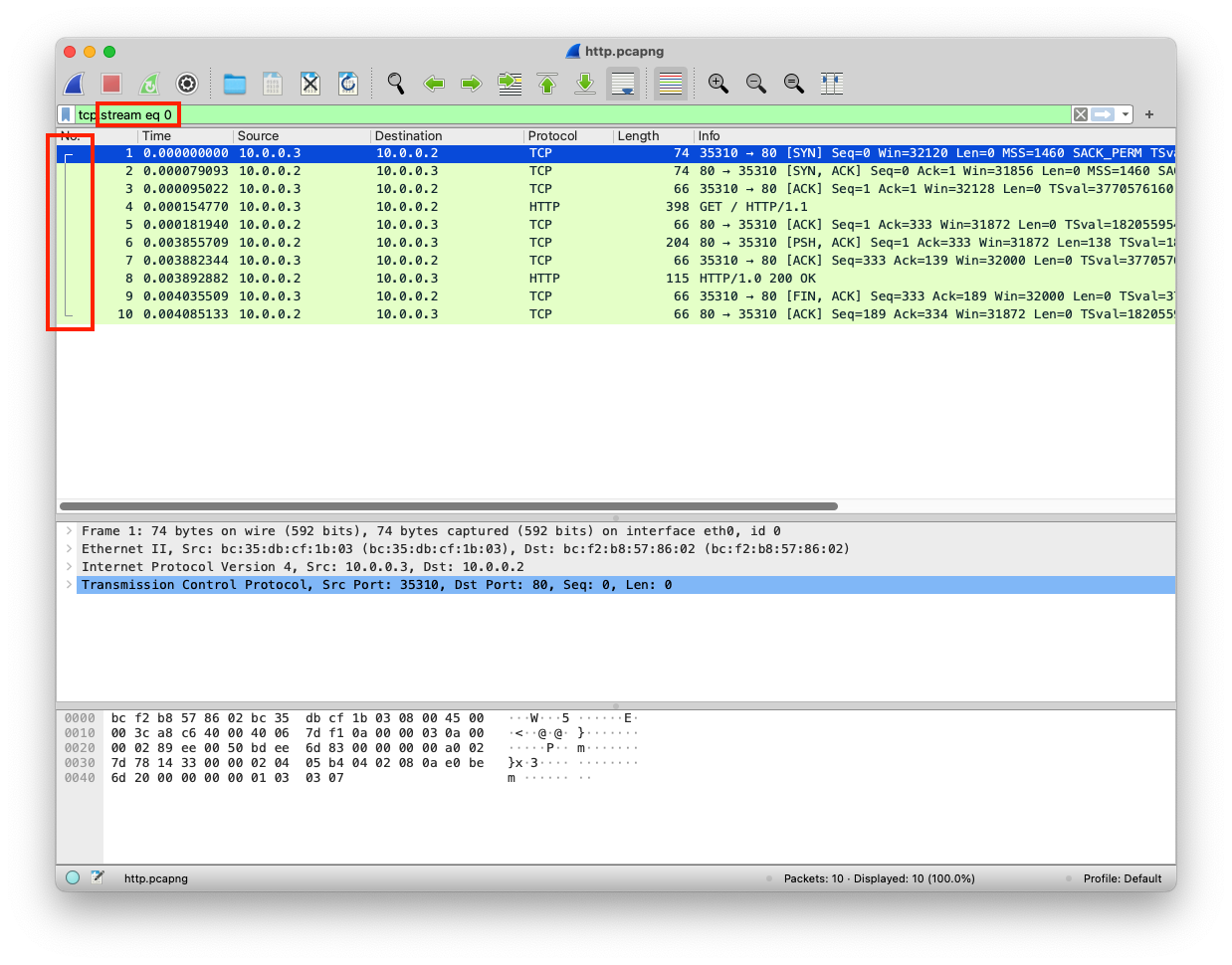
Session Layer The Session Layer, Layer 5 of the OSI model, manages communication sessions between networked devices. A session is a logical channel that enables two nodes to exchange data in an organized manner. This layer ensures reliable communication by controlling when conversations start and end, maintaining context for accurate data interpretation. Beyond opening and…
-
Transport Layer
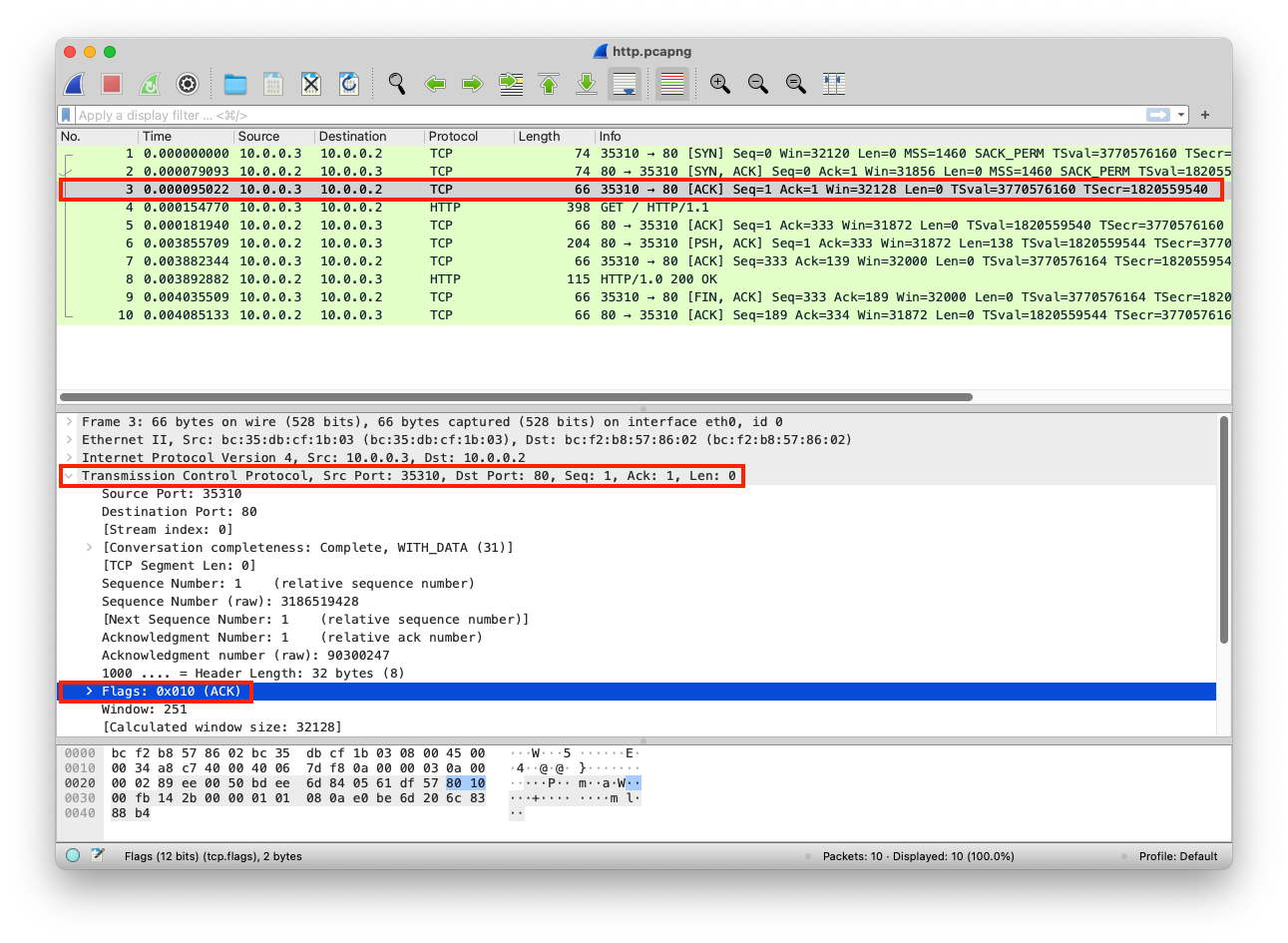
Transport Layer The Transport Layer is the fourth layer in the OSI model and ensures reliable and efficient data transmission between network nodes. Unlike lower layers that focus on moving raw data between devices, the Transport Layer manages communication between applications. It breaks large data streams into smaller segments for transmission and reassembles them at…
-
Network Layer
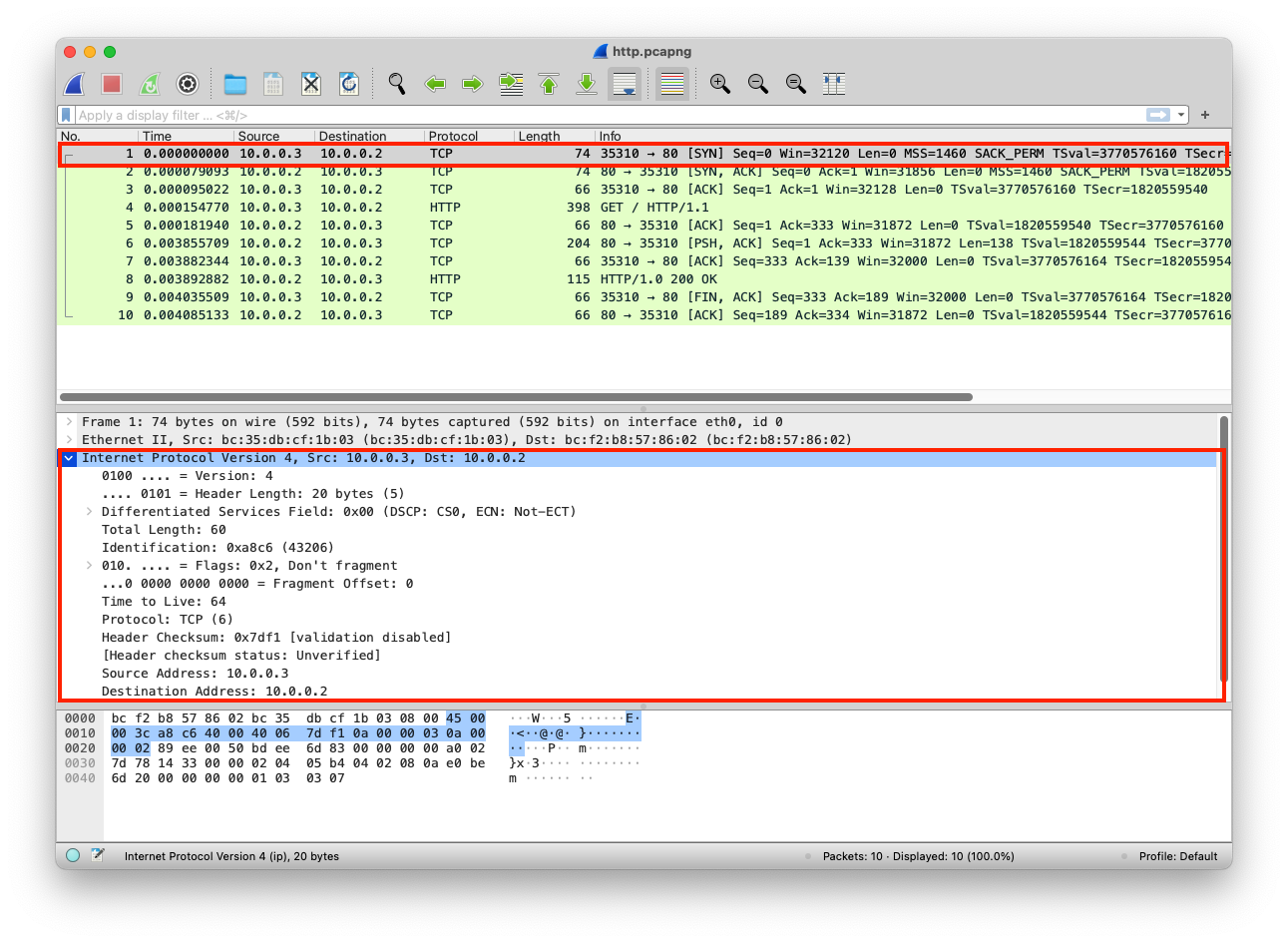
Network Layer The Network Layer is the third layer in the OSI (Open Systems Interconnection) model, responsible for enabling communication between devices on different networks. Unlike the Data Link Layer, which handles data transfer within a local network, the Network Layer ensures that data can travel across multiple interconnected networks to reach its intended destination.It…
-
Data Link Layer
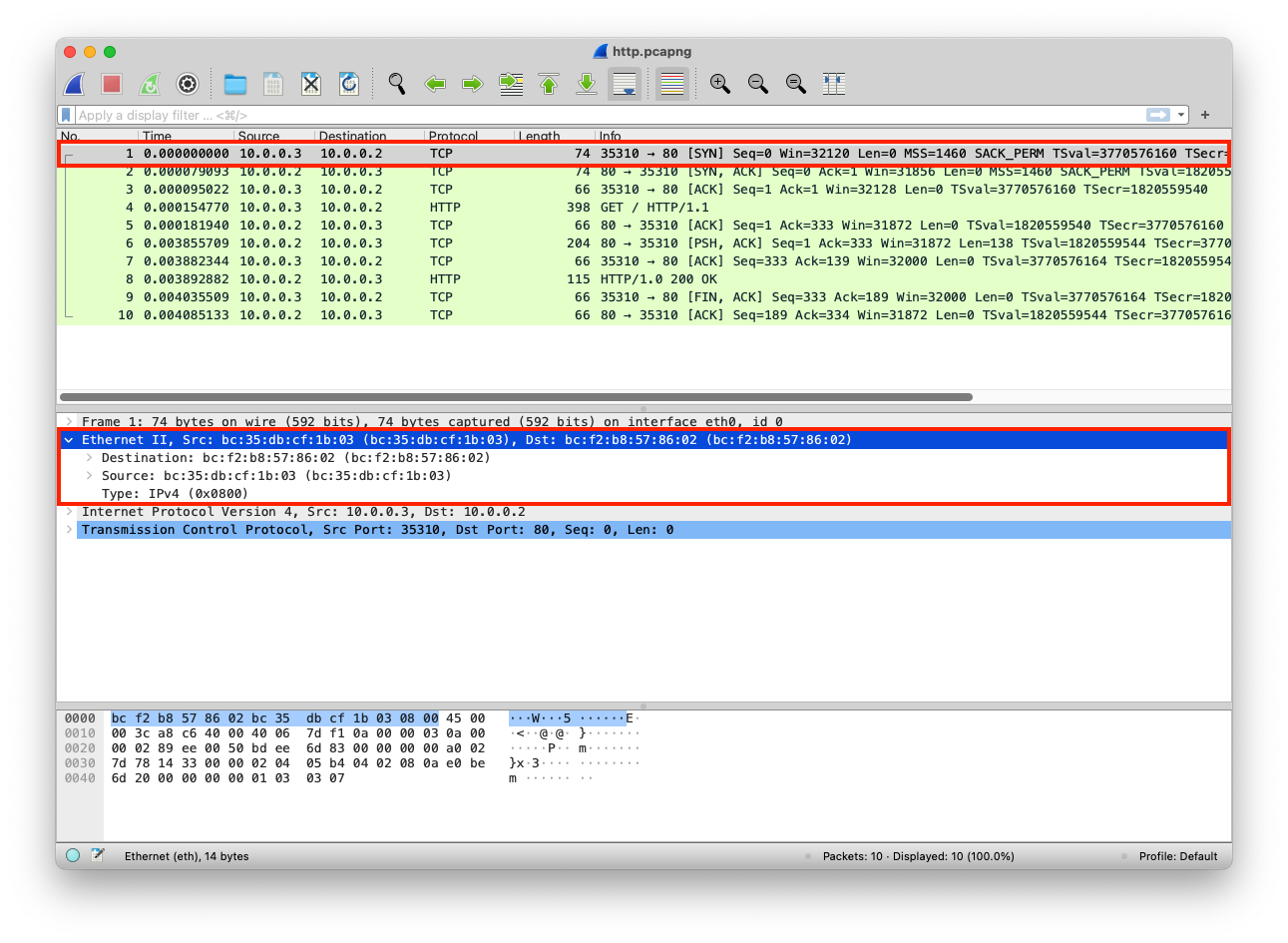
Data Link The Data Link Layer is the second layer in the OSI model. It enables reliable data transmission between two directly connected devices on the same network. This layer takes the raw bit-stream from the Physical Layer and organizes it into structured units called frames. These frames include not only the data being sent…