Tag: microcomputer

  • Operating System Filesystem

    Windows File System

    The Windows File System is basically how Windows organizes, stores, and manages all the data on a computer’s drives.

    • C:\ – Root of the main system drive
      • Top-level directory containing all files and folders on the drive. Everything on the system exists under this root.
      • Important: Compromise at this level can affect the entire system; attackers often target the root drive to plant malware or gain persistent access.
    • C:\Windows – Main OS folder
      • Stores core operating system components, including subfolders like System32, WinSxS, and Logs.
      • Important: High-value target for attackers; modification can lead to system instability, privilege escalation, or malware persistence.
    • C:\Windows\System32 – Core executables and system libraries
      • Contains DLLs, system utilities, and essential programs such as cmd.exe, taskmgr.exe, regedit.exe, ipconfig.exe.
      • Important: Frequent target for malware; replacing or tampering with files here can bypass security controls or allow rootkits to hide.
    • C:\Program Files – Default location for 64-bit applications
      • Each application has its own subfolder containing program files, libraries, and resources (e.g., C:\Program Files\Google\Chrome).
      • Important: Protected by the system; only administrators can modify. Malware often attempts to write here to persist.
    • C:\Program Files (x86) – Default location for 32-bit applications on 64-bit Windows
      • Separation prevents conflicts between 32-bit and 64-bit software (e.g., C:\Program Files (x86)\Mozilla Firefox).
      • Important: Same as above; attackers may target this folder for persistence or installing malicious apps.
    • C:\Users – Stores user profiles and personal data
      • Each user has a folder containing Desktop, Documents, Downloads, Pictures, and the hidden AppData folder.
        • Example structure:
          • C:\Users\Administrator
          • C:\Users\john\
      • Important: Primary target for credential theft, sensitive document access, and ransomware.
    • C:\Users<user>\AppData – Application-specific data
      • Local: machine-specific settings
      • Roaming: settings that move with the user profile
      • LocalLow: low-security application data
      • Important: Malware often hides here because it can run with user permissions and persists across sessions.
    • C:\ProgramData – Hidden folder for shared application data
      • Stores license info, databases, and configuration files used by all users.
      • Important: Attackers may place scripts or configs here to affect all users.
    • C:\Windows\Temp – Temporary OS files
      • Stores cached data, session files, and logs created by Windows and applications.
      • Important: Often scanned by malware to inject temporary scripts or payloads; can reveal forensic evidence.
    • C:\Users\<user>\AppData\Local\Temp – Temporary files for user applications
      • Often cleaned automatically.
      • Important: Common location for malicious downloads or scripts executed by users.
    • C:\Windows\System32\winevt\Logs – System logs
      • Contains Security, System, and Application logs.
      • Important: Critical for auditing, detecting intrusions, and forensic analysis. Attackers may attempt to clear or tamper with these logs.
    • C:\Windows\System32\drivers – Device drivers
      • Software that allows Windows to interact with hardware (network, disk, USB devices).
      • Important: Malicious drivers can run at the kernel level, bypassing security controls.
    • C:\Windows\Boot – Boot files
      • Stores Boot Configuration Data (BCD) and boot manager; EFI System Partition contains UEFI boot files.
      • Important: Targeted by bootkits or ransomware to prevent recovery or achieve early execution.
    • C:\Windows\inf – Driver installation information
      • Stores .inf files used for installing hardware drivers.
      • Important: Malware may attempt to modify or inject malicious drivers here.
    • C:\Windows\System32\spool – Print spooler files
      • Manages printing tasks and queued documents.
      • Important: Print spooler vulnerabilities (like PrintNightmare) can allow privilege escalation or remote code execution.
    • C:\Windows\System32\Config – Registry storage files
      • Stores system-wide configuration in files backing HKLM, HKCU, and other registry hives.
      • Important: Corrupting or exfiltrating these files can give full system access, credential theft, or malware persistence.

    Linux-Based OS File System

    The Linux-based OS File System is how Linux-based OS organizes, stores, and manages all the data on a computer’s drives.

    • / – Root of the filesystem
      • Contains all system files, user folders, and directories. Only the superuser (root) can modify critical system directories.
      • Important: Altering anything here can break the system or escalate privileges.
    • /bin – Essential binaries like ls, cp, mv
      • Important: malware might replace binaries here to hide activity.
    • /sbin – System binaries for administrative tasks
      • Only root can execute most files.
    • /usr – User programs and libraries
      • Contains /usr/bin, /usr/lib for installed applications.
    • /lib and /lib64 – Shared libraries for system programs
      • Important: corrupt libraries can compromise the system.
    • /etc – System configuration files
      • Examples: /etc/passwd (user accounts), /etc/ssh/sshd_config (SSH server config)
      • Important: target for attackers to gain unauthorized access.
    • /home/<user> – User personal directories
      • Stores documents, downloads, and hidden folders like .ssh/ or .config/
      • Important: private data, credentials, and application settings reside here.
    • /root – Superuser’s home
      • Important: stores root-specific configs; high-value target for attackers.
    • /var – Variable data like logs (/var/log), mail, print spools
      • Important: logs here can be analyzed for forensic investigation.
    • /tmp – Temporary files
      • Used by the system and applications. Permissions usually allow all users to write, but with the “sticky bit” set to prevent others from deleting their files.
    • /dev – Device files representing hardware
      • Important: Accessing device files improperly can compromise the system.
    • /proc and /sys – Virtual filesystems providing runtime system info
      • Important: Attackers can read the system state or try to manipulate kernel parameters.
    • /opt – Optional software installed manually
      • Important: Third-party software location; could be abused by malware.
    • /mnt and /media – Mount points for drives and removable media

    Windows vs Linux-Based OS

    • Root of the System
      • Windows: C:\ – The top-level directory where everything resides. Protecting this ensures system integrity.
      • Linux: / – Top of the filesystem hierarchy, containing all system and user files.
    • System Core / Executables
      • Windows: C:\Windows\Temp, C:\Users\<user>\AppData\Local\Temp – Stores transient files, session data, and caches. It can be exploited by malware, but it is safe to clear periodically.
      • Linux: /bin, /sbin, /usr/bin, /usr/sbin, /lib, /lib64 – Core system commands, admin binaries, and libraries. Integrity is critical to prevent system compromise.
    • User Profiles / Personal Data
      • Windows: C:\Users\<user> – Stores Documents, Downloads, Desktop, and AppData (hidden). Sensitive files, credentials, and configs are here, often targeted by malware.
      • Linux: /home/<user> – Contains user files, hidden configs (.ssh/, .config/), and personal data.
    • Administrator / Root Account
      • Windows: C:\Users\Administrator – Superuser account folder, high-value target for privilege escalation.
      • Linux: /root – Root user’s home directory. Access is restricted to prevent misuse.
    • Temporary Files
      • Windows: C:\Windows\Temp, C:\Users\<user>\AppData\Local\Temp – Stores transient files, session data, and caches. Can be exploited by malware but is safe to clear periodically.
      • Linux: /tmp, /var/tmp – Temporary files and session data, often writable by all users; malware sometimes hides here.
    • Application Data / Configuration
      • Windows: C:\Users\<user>\AppData (Local, Roaming, LocalLow), C:\ProgramData – Stores per-user and shared app settings, caches, and configuration data. Critical for persistence mechanisms.
      • Linux: /home/<user>/.config, /home/<user>/.local, /etc, /opt, /usr/local – User and system application configurations, system-wide app settings, and third-party software locations.
    • Installed Applications
      • Windows: C:\Program Files (64-bit), C:\Program Files (x86) (32-bit) – Applications installed for all users. Permissions prevent standard users from modifying files.
      • Linux: /usr/bin, /usr/sbin, /opt, /usr/local/bin – Installed software and user-executable programs. Security depends on file permissions and ownership.
    • Boot / Startup Files
      • Windows: C:\Windows\Boot, EFI System Partition – Bootloader files, Boot Configuration Data (BCD). Tampering here can prevent boot or install rootkits.
      • Linux: /boot, /boot/efi – Kernel, GRUB, initramfs. Protecting these prevents kernel-level attacks.
    • Device Drivers / Hardware Interfaces
      • Windows: C:\Windows\System32\drivers, sometimes C:\Windows\inf – Drivers for hardware. Compromised drivers can be used for privilege escalation.
      • Linux: /dev, /lib/modules – Device files and kernel modules. Malicious modifications can lead to root-level compromise.
    • System Logs
      • Windows: C:\Windows\System32\winevt\Logs – Event logs for Security, System, and Application. Useful for forensic analysis.
      • Linux: /var/log – Logs for system, authentication, services, and applications. Key for monitoring and intrusion detection.
    • Registry / Configuration Storage
      • Windows: HKLM, HKCU, HKCR, HKU, HKCC – Stores system and user settings; backed by files in C:\Windows\System32\config. Target for malware persistence.
      • Linux: /etc, /home/<user>/.config – Stores system-wide and user-specific configuration. Equivalent to registry for many purposes.
    • File System Security
      • Windows: NTFS permissions, Access Control Lists (ACLs), User Account Control (UAC), BitLocker. Protects system and user files from unauthorized access.
      • Linux: File permissions, ownership, SUID/SGID bits, SELinux/AppArmor policies. Protects critical system and user files.
  • Microcomputer Operating System Forensics

    Online (Live) Digital Forensics

    Online digital forensics is conducted while the system is running and may be connected to a network. This approach captures volatile data, such as RAM contents, running processes, network connections, open files, and active sessions, information that would be lost if the system were shut down.

    This method is particularly useful in incident response, malware analysis, and detecting ongoing attacks. Investigators must handle live systems carefully to avoid inadvertently altering evidence.

    • Advantages
      • Captures evidence that would otherwise be lost.
      • Detects live malware or intrusions.
    • Drawbacks
      • Risk of changing evidence during collection.
      • Potential interference from malware or attackers.
    • Examples
      • Taking a memory dump from a live server to find encryption keys.
      • Monitoring network traffic during an active breach.

    Offline Digital Forensics

    Offline digital forensics involves investigating digital evidence without connecting the device to any network. This approach works with physically acquired data, such as hard drives, USB drives, and memory cards.

    Typically, investigators create a bit-for-bit forensic image of the storage media to preserve the original evidence. Offline analysis allows tools to examine files, metadata, logs, and deleted or hidden data. The main focus is on maintaining evidence integrity and avoiding contamination.

    • Advantages
      • Safer, with no risk of remote tampering or malware activation.
      • Provides full access to files and system data.
    • Drawbacks
      • Cannot capture volatile information like RAM contents, active processes, or open network connections.
      • Some logs or system states may be lost after shutdown.
    • Examples
      • Cloning a suspect’s hard drive to recover deleted files.
      • Analyzing data from a crashed USB stick.

    Accessing Environment Variables

    Password or secret keys can be stored in environment variables; the application or service accesses those variables when a password or secret key is needed; you can use the env command to review them

    To add an environment variable, you can use the export command

    export # Shell built-in: sets an environment variable and makes it available to all child processes
    SECRET_A_API # Name of the environment variable
    = # Assign operator
    8vjZYsQxW9v6a4hA # Value being assigned to the environment variable

    (RPi) export SECRET_A_API=8vjZYsQxW9v6a4hA

    To review them using env command

    env # Shell command that prints all environment variables and their current values

    (RPi) env
    SHELL=/bin/bash
    NO_AT_BRIDGE=1
    PWD=/home/pi
    LOGNAME=pi
    XDG_SESSION_TYPE=tty
    MOTD_SHOWN=pam
    HOME=/home/pi
    LANG=en_GB.UTF-8
    SECRET_A_API=8vjZYsQxW9v6a4hA

    Accessing Startup Service

    Also known as System V init is also known as an old init daemon used for startup items (E.g., a script that started when the operating system started). Startup items are saved in the /etc/init.d/ folder and have specfiic structure

    grep # Command-line utility to search for text patterns within files
    -n # Show the line number of each matching line
    -r # Recursively search directories and their subdirectories
    -I # Ignore binary files (do not search inside non-text files)
    Default-Start # The text pattern to search for (commonly used in SysV init scripts to indicate runlevels)
     /etc/init.d # Directory containing traditional init scripts for services

    (RPi) grep -nrI Default-Start /etc/init.d
    /etc/init.d/cron:10:# Default-Start:     2 3 4 5
    /etc/init.d/ssh:7:# Default-Start:      2 3 4 5
    /etc/init.d/rpcbind:9:# Default-Start:     S
    /etc/init.d/avahi-daemon:8:# Default-Start:     2 3 4 5

    Systemd

    A newer init daemon is used for parallel startup items/services (E,.g. a script that runs when the operating system starts). Usually, the system-wide startup items/services saved in the /etc/systemd/system folder and have a specific structure

    ls # List directory contents
    -l # Long listing format: shows permissions, owner, group, size, and modification date
    -a # Show all files, including hidden files (those starting with a dot)
     /etc/systemd/system # Directory containing systemd service unit files and custom overrides

    (RPi) ls -la /etc/systemd/system
    total 88
    drwxr-xr-x 20 root root 4096 Aug 20 10:35 .
    drwxr-xr-x  5 root root 4096 May  2 17:07 ..
    drwxr-xr-x  2 root root 4096 May  2 17:08 bluetooth.target.wants
    lrwxrwxrwx  1 root root   42 May  2 17:09 dbus-fi.w1.wpa_supplicant1.service -> /lib/systemd/system/wpa_supplicant.service
    lrwxrwxrwx  1 root root   37 May  2 17:08 dbus-org.bluez.service -> /lib/systemd/system/bluetooth.service
    lrwxrwxrwx  1 root root   40 May  2 17:09 dbus-org.freedesktop.Avahi.service -> /lib/systemd/system/avahi-daemon.service
    lrwxrwxrwx  1 root root   40 May  2 17:09 dbus-org.freedesktop.ModemManager1.service -> /lib/systemd/system/ModemManager.service
    lrwxrwxrwx  1 root root   45 May  2 17:07 dbus-org.freedesktop.timesync1.service -> /lib/systemd/system/systemd-timesyncd.service
    lrwxrwxrwx  1 root root   36 May  2 17:16 default.target -> /lib/systemd/system/graphical.target
    drwxr-xr-x  2 root root 4096 May  2 17:04 default.target.wants
    drwxr-xr-x  2 root root 4096 May  2 17:09 dev-serial1.device.wants
    drwxr-xr-x  2 root root 4096 May  2 17:12 dhcpcd.service.d
    lrwxrwxrwx  1 root root   35 May  2 17:11 display-manager.service -> /lib/systemd/system/lightdm.service
    drwxr-xr-x  2 root root 4096 May  2 17:36 getty.target.wants
    drwxr-xr-x  2 root root 4096 May  2 17:16 getty@tty1.service.d
    drwxr-xr-x  2 root root 4096 May  2 17:09 graphical.target.wants
    drwxr-xr-x  2 root root 4096 May  2 17:08 halt.target.wants
    drwxr-xr-x  2 root root 4096 May  2 17:36 multi-user.target.wants
    drwxr-xr-x  2 root root 4096 May  2 17:09 network-online.target.wants
    drwxr-xr-x  2 root root 4096 May  2 17:08 poweroff.target.wants
    drwxr-xr-x  2 root root 4096 May  2 17:15 printer.target.wants
    drwxr-xr-x  2 root root 4096 May  2 17:09 rc-local.service.d
    drwxr-xr-x  2 root root 4096 May  2 17:08 reboot.target.wants
    drwxr-xr-x  2 root root 4096 May  2 17:08 remote-fs.target.wants
    drwxr-xr-x  2 root root 4096 May  2 17:15 sockets.target.wants
    lrwxrwxrwx  1 root root   31 May  2 17:36 sshd.service -> /lib/systemd/system/ssh.service
    -rw-r--r--  1 root root  179 Aug 20 10:35 update.service
    drwxr-xr-x  2 root root 4096 May  2 17:09 sysinit.target.wants
    lrwxrwxrwx  1 root root   35 May  2 17:05 syslog.service -> /lib/systemd/system/rsyslog.service
    drwxr-xr-x  2 root root 4096 May  2 17:05 timers.target.wants

    To access the SSH service, you can view the .service file that contains the configuration

    cat # Reads the contents of a file and outputs to standard output
    /etc/systemd/system/sshd.service # Path to the systemd service unit file for SSH daemon (sshd)

    (RPi) cat /etc/systemd/system/sshd.service

    [Unit]
    Description=OpenBSD Secure Shell server
    Documentation=man:sshd(8) man:sshd_config(5)
    After=network.target auditd.service
    ConditionPathExists=!/etc/ssh/sshd_not_to_be_run

    [Service]
    EnvironmentFile=-/etc/default/ssh
    ExecStartPre=/usr/sbin/sshd -t
    ExecStart=/usr/sbin/sshd -D $SSHD_OPTS
    ExecReload=/usr/sbin/sshd -t
    ExecReload=/bin/kill -HUP $MAINPID
    KillMode=process
    Restart=on-failure
    RestartPreventExitStatus=255
    Type=notify
    RuntimeDirectory=sshd
    RuntimeDirectoryMode=0755

    [Install]
    WantedBy=multi-user.target
    Alias=sshd.service

    Recent Accessed Files/Folders

    The find command can get a list of the most recently accessed files or folders (E.g., files/folders were read). The following will print the last files that were read

    sudo # Run the following command with superuser (root) privileges
    find # Search for files and directories in a directory hierarchy
    . # Start searching from the current directory
    -type f # Restrict results to files only (ignore directories)
    -atime -1 # Match files that were last accessed within the last 1 day
    -printf “%Ad-%Am-%AY %AH-%AM-%AS %h%f\n” # Custom output format:(%Ad) day of last access. (%Am) month of last access.(%AY) year of last access.(%AH) hour of last access.(%AM) minute of last access.(%AS) second of last access.(%h) directory path containing the file.(%f) file name(\n) newline at end of each output line
    | # Pipe: send output of find to the next command
    sort -n # Sort the output numerically (here sorts by date/time fields)

    (RPi) sudo find . -type f -atime -1 -printf "%Ad-%Am-%AY %AH-%AM-%AS %h%f\n" | sort -n
    10-08-2023 21-24-54.9930529990 ./app/b/run.py
    10-08-2023 21-24-55.3170477670 ./app/a/run.py
    10-08-2023 21-24-55.9250379500 ./creds
    10-08-2023 23-38-19.0940423980 ./temp

    Recent Modified Files/Folders

    The find command can be used to get a list of the most recent modified files (E.g., content changed). The following will print the last files whose content changed

    sudo # Run the following command with superuser (root) privileges
    find # Search for files and directories in a directory hierarchy
    . # Start searching from the current directory
    -type f # Restrict results to files only (ignore directories)
    -ctime -1 # Match files whose status (metadata) changed in the last 1 day
    -printf “%Cd-%Cm-%CY %CH-%CM-%CS %h%f\n” # Custom output format: (%Cd) day of last status change. (%Cm) month of last status change. (%CY) year of last status change. (%CH) hour of last status change. (%CM) minute of last status change. (%CS) second of last status change. (%h) directory path containing the file. (%f) file name. (\n) newline at the end of each output line.
    | # Pipe: send output of find to the next command
    sort -n # Sort the output numerically (here sorts by date/time fields)

    (RPi) sudo find . -type f -mtime -1 -printf "%Td-%Tm-%TY %TH-%TM-%TS %h%f\n" | sort -n
    10-08-2023 23-26-38.4205909130 ./.bash_history
    10-08-2023 23-46-33.2525871390 ./x
    10-08-2023 23-50-39.9322762010 ./creds
    10-08-2023 23-51-11.2037410210 ./api.p
    10-08-2023 23-51-21.4755656850 ./run.sh

    Recent Changed Files/Folders

    The find command can be used to get a list of the most recently changed files (E.g., permissions changed). The following will print the last files whose meta data changed

    sudo # Run the following command with superuser (root) privileges
    find # Search for files and directories in a directory hierarchy
    . # Start searching from the current directory
    -type f # Restrict results to files only (ignore directories)
    -mtime -1 # Match files whose **content was modified** in the last 1 day
    -printf “%Td-%Tm-%TY %TH-%TM-%TS %h%f\n” # Custom output format: (%Td) day of last modification. (%Tm) month of last modification. (%TY) year of last modification. (%TH) hour of last modification. (%TM) minute of last modification. (%TS) second of last modification. (%h) directory path containing the file. (%f) file name. (\n) newline at the end of each output line.
    | # Pipe: send output of find to the next command
    sort -n # Sort the output numerically (here sorts by date/time fields)

    (RPi) sudo find . -type f -ctime -1 -printf "%Cd-%Cm-%CY %CH-%CM-%CS %h%f\n" | sort -n
    10-08-2023 23-17-50.0660037610 ./.cache/lxsession/LXDE-pi/run.log
    10-08-2023 23-26-38.4245907720 ./.bash_history
    10-08-2023 23-46-33.2525871390 ./x
    10-08-2023 23-50-39.9322762010 ./creds
    10-08-2023 23-51-01.4439078220 ./contract

    Accessing accounts shadow

    A file that has encrypted user passwords

    sudo # Run the following command with superuser (root) privileges
    cat # Display the contents of a file to standard output
    /etc/shadow # Path to the shadow password file on Linux

    (RPi) pi@jdoe:~ $ sudo cat /etc/shadow
    root:*:19480:0:99999:7:::
    daemon:*:19480:0:99999:7:::
    bin:*:19480:0:99999:7:::
    sys:*:19480:0:99999:7:::
    sync:*:19480:0:99999:7:::
    games:*:19480:0:99999:7:::
    man:*:19480:0:99999:7:::
    lp:*:19480:0:99999:7:::
    mail:*:19480:0:99999:7:::
    news:*:19480:0:99999:7:::
    uucp:*:19480:0:99999:7:::
    proxy:*:19480:0:99999:7:::
    www-data:*:19480:0:99999:7:::
    backup:*:19480:0:99999:7:::
    list:*:19480:0:99999:7:::
    irc:*:19480:0:99999:7:::
    gnats:*:19480:0:99999:7:::
    nobody:*:19480:0:99999:7:::
    systemd-network:*:19480:0:99999:7:::
    systemd-resolve:*:19480:0:99999:7:::
    _apt:*:19480:0:99999:7:::
    pi:$5$SD.7RGax6g$cA9SFp3QDYnU9D4ncl.KxRBvyOaeG/gg5fN/bIZI49A:19480:0:99999:7:::
    systemd-timesync:*:19480:0:99999:7:::
    messagebus:*:19480:0:99999:7:::
    _rpc:*:19480:0:99999:7:::
    statd:*:19480:0:99999:7:::
    sshd:*:19480:0:99999:7:::
    avahi:*:19480:0:99999:7:::
    dnsmasq:*:19480:0:99999:7:::
    lightdm:*:19480:0:99999:7:::
    rtkit:*:19480:0:99999:7:::
    pulse:*:19480:0:99999:7:::
    saned:*:19480:0:99999:7:::
    colord:*:19480:0:99999:7:::
    hplip:*:19480:0:99999:7:::
    rpi-first-boot-wizard:*:19480:0:99999:7:::
    systemd-coredump:!*:19480::::::

    Bash history

    Bash is a command language interpreter that is used for working with files and data, sometimes there are different shells are installed, and you can list them using cat /etc/shells; the Bash shell usually saves the user input commands into a file called .bash_history

    cat # Display the contents of a file to standard output
    ~/.bash_history # Path to the current user’s Bash history file (contains commands previously run in the shell)

    (RPi) cat ~/.bash_history 
    ./run.sh
    sudo ./run.sh

    Logs

    The logs location in Linux distros is /var/log/, not IoT devices enable logging because it consumes their resources. 

    /var/log/auth.log (user logins and authentication)

    cat # Display the contents of a file to standard output
    /var/log/auth.log # Path to the authentication log file; records all login attempts, sudo usage, and authentication-related events

    (RPi) cat /var/log/auth.log 
    May  2 17:36:45 jdoe systemd-logind[456]: New seat seat0.
    May  2 17:36:45 jdoe systemd-logind[456]: Watching system buttons on /dev/input/event0 (vc4-hdmi-0)
    May  2 17:36:45 jdoe systemd-logind[456]: Watching system buttons on /dev/input/event1 (vc4-hdmi-1)
    May  2 17:36:46 jdoe sshd[587]: Server listening on 0.0.0.0 port 22.
    May  2 17:36:46 jdoe sshd[587]: Server listening on :: port 22.
    May  2 17:36:52 jdoe login[620]: pam_unix(login:session): session opened for user pi(uid=1000) by LOGIN(uid=0)
    May  2 17:36:52 jdoe systemd-logind[456]: New session 1 of user pi.
    May  2 17:36:52 jdoe systemd: pam_unix(systemd-user:session): session opened for user pi(uid=1000) by (uid=0)
    May  2 17:37:11 jdoe sshd[879]: Connection closed by 192.168.2.1 port 50356 [preauth]
    Aug 20 10:22:07 jdoe sshd[892]: Invalid user pc from 192.168.2.1 port 50357
    Aug 20 10:22:09 jdoe sshd[892]: pam_unix(sshd:auth): check pass; user unknown
    Aug 20 10:22:09 jdoe sshd[892]: pam_unix(sshd:auth): authentication failure; logname= uid=0 euid=0 tty=ssh ruser= rhost=192.168.2.1

    deamon.log (background processes – called daemons)

    cat # Display the contents of a file to standard output
    /var/log/daemon.log # Path to the daemon log file; contains messages from background services (daemons) on the system

    (RPi) tail /var/log/daemon.log 
    Aug 20 10:37:33 jdoe sh[1950]: Ncat: Listening on :::4444
    Aug 20 10:37:33 jdoe sh[1950]: Ncat: Listening on 0.0.0.0:4444
    Aug 20 10:38:32 jdoe systemd[1]: session-3.scope: Succeeded.
    Aug 20 10:38:32 jdoe systemd[1]: session-3.scope: Consumed 33.015s CPU time.
    Aug 20 10:38:35 jdoe systemd[1]: Started Session 4 of user pi.
    Aug 20 10:47:54 jdoe systemd[1]: Starting Discard unused blocks on filesystems from /etc/fstab...
    Aug 20 10:47:56 jdoe fstrim[2113]: /: 113.9 GiB (122311024640 bytes) trimmed on /dev/mmcblk0p2
    Aug 20 10:47:56 jdoe fstrim[2113]: /boot: 203.7 MiB (213555200 bytes) trimmed on /dev/mmcblk0p1
    Aug 20 10:47:56 jdoe systemd[1]: fstrim.service: Succeeded.
    Aug 20 10:47:56 jdoe systemd[1]: Finished Discard unused blocks on filesystems from /etc/fstab

    syslog.log (Global logs)

    head # Display the first part of a file (default: first 10 lines)
    /var/log/syslog.log # Path to the system log file; contains general system messages, kernel logs, and service events

    (RPi) head /var/log/syslog.log
    May  2 17:36:45 jdoe kernel: [    0.000000] Booting Linux on physical CPU 0x0000000000 [0x410fd083]
    May  2 17:36:45 jdoe systemd-modules-load[147]: Failed to find module 'lp'
    May  2 17:36:45 jdoe kernel: [    0.000000] Linux version 6.1.21-v8+ (dom@buildbot) (aarch64-linux-gnu-gcc-8 (Ubuntu/Linaro 8.4.0-3ubuntu1) 8.4.0, GNU ld (GNU Binutils for Ubuntu) 2.34) #1642 SMP PREEMPT Mon Apr  3 17:24:16 BST 2023
    May  2 17:36:45 jdoe kernel: [    0.000000] random: crng init done
    May  2 17:36:45 jdoe kernel: [    0.000000] Machine model: Raspberry Pi 4 Model B Rev 1.5
    May  2 17:36:45 jdoe kernel: [    0.000000] efi: UEFI not found.
    May  2 17:36:45 jdoe kernel: [    0.000000] Reserved memory: created CMA memory pool at 0x000000000ec00000, size 512 MiB
    May  2 17:36:45 jdoe kernel: [    0.000000] OF: reserved mem: initialized node linux,cma, compatible id shared-dma-pool
    May  2 17:36:45 jdoe systemd-modules-load[147]: Failed to find module 'ppdev'
    May  2 17:36:45 jdoe kernel: [    0.000000] Zone ranges:

    Sudoers

    A file that is used to determine if a user has permission to run commands or not, the sudoers file location is /etc/sudoers

    sudo # Run the following command with superuser (root) privileges
    cat # Display the contents of a file to standard output
    /etc/sudoers # Path to the sudoers configuration file; defines which users/groups can run commands with elevated (sudo) privileges

    (RPi) sudo cat /etc/sudoers
    # This file MUST be edited with the 'visudo' command as root.
    # Please consider adding local content in /etc/sudoers.d/ instead of
    # directly modifying this file.
    # See the man page for details on how to write a sudoers file.
    Defaults        env_reset
    Defaults        mail_badpass
    Defaults        secure_path="/usr/local/sbin:/usr/local/bin:/usr/sbin:/usr/bin:/sbin:/bin"
    root    ALL=(ALL:ALL) ALL
    %sudo   ALL=(ALL:ALL) ALL
    pi ALL=(root) NOPASSWD: /usr/bin/vi
    @includedir /etc/sudoers.d

    Wifi Passwords

    Wifi password are saved in /etc/NetworkManager/system-connections/???.nmconnection where ??? is the SSID (Name of the wireless network)

    ls # List directory contents
    -l # Long listing format: shows permissions, owner, group, size, and modification date
    -a # Show all files, including hidden files (those starting with a dot)
    /etc/NetworkManager/system-connections/ # Directory containing saved network connection profiles managed by NetworkManager

    (RPi) ls -la /etc/NetworkManager/system-connections/
    total 12
    drwxr-xr-x 2 root root 4096 Aug 20 12:22 .
    drwxr-xr-x 7 root root 4096 Feb 22 19:59 ..
    -rw------- 1 root root  264 Aug 20 12:22 LINKSYS22.nmconnection

    sudo # Run command as superuser (needed to access protected files)
    cat # Risplay the contents of a file
    /etc/NetworkManager/system-connections/ # Directory storing saved network connections
    LINKSYS22.nmconnection # Specific network configuration file for the Wi-Fi named LINKSYS22

    (RPi) sudo cat /etc/NetworkManager/system-connections/LINKSYS22.nmconnection
    [connection]
    id=LINKSYS22
    uuid=230dcf1d-70cf-4c1d-824e-c37b4cb752dc
    type=wifi
    interface-name=wlp4s0

    [wifi]
    hidden=true
    ssid=LINKSYS22

    [wifi-security]
    key-mgmt=wpa-psk
    psk=9SP28RFH38JE

    [ipv4]
    method=auto

    [ipv6]
    addr-gen-mode=stable-privacy
    method=auto

    [proxy]

    Passwords

    The grep command can be used to find any file that has a specific pattern or string

    grep # Search for text patterns in files
    -R # Recursive; search in current directory and all subdirectories
    -i # Case-insensitive search (matches Pass, pass, PASS, etc.)
    -e # Specifies the pattern to search
    “pass\|user” # Pattern matches lines containing either “pass” OR “user”
    . # Search starting from the current directory

    (RPi) grep -Rie "pass\|user" .
    ./.bashrc:# set variable identifying the chroot you work in (used in the prompt below)
    ./.hidden_p: password=S8NR9VAFY1RN0GKNP61M
  • Hardening Microcomputer Operating Systems

    IoT Security

    IoT Security involves safeguarding Internet of Things (IoT) devices and the networks they connect to from unauthorized access, misuse, data breaches, and other cyber threats. IoT devices frequently operate with limited computing power, minimal built-in security, and are deployed in large numbers, making them attractive targets for attackers seeking to exploit vulnerabilities.

    A major challenge is that many IoT devices are not adequately secured by default. Common issues include weak or hardcoded passwords, outdated firmware, insufficient encryption, and inadequate patching mechanisms. This exposes devices such as smart cameras, wearable technology, industrial sensors, and home automation systems to risks like malware infections, botnet recruitment, and data theft.

    However, awareness of these risks is growing. In recent years, governments, industry groups, and standards organizations have implemented laws, regulations, security standards, and best practices to improve IoT security. Examples include requirements for stronger authentication, regular software updates, encrypted communication, and transparency about how data is collected and stored. These measures are expected to significantly reduce the number of insecure devices in the coming years.

    Ultimately, IoT security is not just about protecting individual devices; it also involves safeguarding entire ecosystems from personal smart home networks to critical infrastructure across industries such as healthcare, transportation, and energy. As IoT adoption expands, robust security practices will be essential to maintain user trust and ensure the safe integration of billions of connected devices into daily life.


    Initial IoT Devices Security Steps

    After purchasing an IoT device with inadequate security measures, the risk of exploitation begins almost immediately. Studies have shown that unsecured IoT devices can be discovered and compromised by automated scanning tools or malicious actors within just a few minutes of being connected to the internet. Once compromised, these devices may be used in a botnet, subjected to surveillance, or manipulated in ways that threaten your data, privacy, and network security.

    To mitigate these risks, it’s important to take proactive steps before and after connecting the device to the internet. Here are some key actions you can take:

    • Check Manufacturer Information: Visit the manufacturer’s website for details on security features, firmware updates, and recommended setup practices.
    • Review Security Advisories: Many vendors provide security advisories, patch releases, or guides to help configure devices more securely.

    Practical Steps to Secure IoT Devices

    • Change Default Passwords: Replace factory-set credentials with strong, unique passwords. Default passwords are widely known and are often the first thing attackers try.
    • Update Firmware and Applications: Always install the latest updates to close known vulnerabilities. Enable automatic updates if supported to ensure security patches are applied promptly.
    • Enable Logging: Turn on activity logs to track access attempts, configuration changes, or unusual behavior. Logs can help identify suspicious activity early.
    • Disable Unused Features and Services: Shut down unnecessary services, such as remote management, Bluetooth, or Universal Plug and Play (UPnP). Each unnecessary feature is a potential entry point for attackers.
    • Enable Multi-Factor Authentication (MFA): If available, require MFA for logins. This adds an extra layer of security even if your password is compromised.
    • Block Unused Ports: Restrict network access by closing or filtering ports that the device does not use. This reduces exposure to external attacks.
    • Connect to Wi-Fi Carefully: Place IoT devices on a separate network or VLAN rather than your main network. If one device is compromised, it will be harder for it to spread to other systems, such as laptops and phones. For some devices, consider not connecting them to the internet if connectivity isn’t essential.
    • Review Application Permissions: Check what kind of data the device’s companion app collects (e.g., location, microphone, contacts) and restrict permissions to only what is necessary.
    • Turn Devices Off When Not in Use: Shutting down devices when not in use minimizes their exposure to online threats.
    • Monitor Device Activity: Use your router’s interface or a network monitoring tool to watch for unusual traffic patterns. Early detection of suspicious behavior can prevent larger compromises.

    By implementing these steps, you create multiple layers of defense that significantly reduce the likelihood of exploitation of your IoT devices. This approach, often called “defense in depth,” ensures that if one safeguard fails, others remain in place to protect your devices and network.


    Vulnerabilities vs Misconfiguration

    A misconfiguration occurs when a system, application, or device is set up incorrectly, deviating from security best practices (e.g., using weak or hard-coded passwords, having permissive firewall rules, running unnecessary services, or exposing interfaces unnecessarily). While a vulnerability is a flaw or weakness in software, hardware, or protocols that can be exploited to compromise security (e.g., an outdated SSH version with known exploits or design flaws in interfaces).

    Top IoT Vulnerabilities/Misconfiguration

    • Weak or Hard-Coded Passwords
      • Type: Misconfiguration
      • Why: Choosing a weak password or leaving a default/hard-coded password is a configuration choice. These passwords can be easily guessed or cracked by attackers.
    • Insecure Service
      • Type: Could be vulnerability or misconfiguration, depending on context
        • If the service itself has a flaw (like an old SSH version with a known exploit):
          • Type: Vulnerability
          • Why: The service contains inherent security flaws that attackers can exploit.
        • If it’s running unnecessarily or open to the network without need:
          • Type: Misconfiguration
          • Why: Running unnecessary services or exposing them to the network without proper justification is a configuration error.
    • Insecure Configuration
      • Type: Misconfiguration
      • Why: By definition, misconfiguration occurs when system settings are insecure (e.g., permissive firewall rules, open ports). These settings leave systems vulnerable to attacks.
    • Insecure Interface
      • Type: Usually a vulnerability, if the interface itself has design flaws
        • If the interface itself has design flaws:
            • Type: Vulnerability
        • Why: Design flaws in interfaces can allow attackers to exploit vulnerabilities.
        • If it’s exposed unnecessarily:
          • Type: Misconfiguration
          • Why: Exposing an interface that should be protected is a configuration error.
    • Lack of Updates
      • Type: Misconfiguration (or operational issue)
      • Why: Not applying patches is a configuration/maintenance failure that leaves systems exposed to known vulnerabilities.
    • Use Outdated Modules
      • Type: Misconfiguration (or operational issue)
      • Why: Similar to lack of updates; continuing to use old libraries or modules is a choice/configuration oversight. These outdated components may contain security flaws.
    • Poor Physical Security
      • Type: Misconfiguration (or security control failure)
      • Why: Leaving hardware unprotected is a misconfiguration of physical security measures. Proper physical security controls are essential to prevent unauthorized access to devices.

    By understanding these classifications and their underlying reasons, you can better identify and address potential security issues in your IoT devices, thereby enhancing overall system security.


    Changing the default password

    You can change the password of the user pi using the passwd command, keep in mind that the ssh will not drop

    passwd # Linux command used to change the password of the currently logged-in user

    (RPi) passwd
    Changing password for pi.
    Current password: 
    New password: 
    Retype new password: 
    passwd: password updated successfully

    or, one-liner, if you use a different username, you need to change pi to your username, this will bypass the password security controls like password length

    (RPi) # Indicates the command is executed on the Raspberry Pi device
    echo # Prints the string to standard output
    ‘pi:P@ssw0rd!’ # String in the format username:password to update the password
    | # Pipe operator; passes the output of echo as input to the next command
    sudo # Run the command with superuser (administrator) privileges
    chpasswd # Linux command that reads username:password pairs and updates user passwords

    (RPi) echo 'pi:P@ssw0rd!' | sudo chpasswd

    Force user to change password next login

    You can change the expiry information of the user pi using passwd --expire <user>, and use chage -l <user> to check the info

    sudo # Run the command with superuser (administrator) privileges
    passwd # Linux command used to change a user’s password
    –expire # Option to immediately expire the user’s password, forcing a reset on next login
    pi # The username of the account whose password will be expired (default Raspberry Pi user)

    (RPi) sudo passwd --expire pi
    passwd: password expiry information changed.

    Then

    chage # Linux command used to view or modify user password aging information
    -l # Option to list the current password aging settings for a user
    pi # The username of the account whose password aging information is being displayed

    (RPi) chage -l pi
    Last password change                    : password must be changed
    Password expires                    : password must be changed
    Password inactive                    : password must be changed
    Account expires                        : never
    Minimum number of days between password change        : 0
    Maximum number of days between password change        : 99999
    Number of days of warning before password expires    : 7

    Remove nopasswd feature

    The nopasswd feature allows a user to run the command as a sudo user without having to enter a password. This can be disabling or removing the 010_pi-nopasswd

    sudo # Run the command with superuser (administrator) privileges
    rm # Linux command to remove/delete files
    /etc/sudoers.d/ # Directory containing additional sudo configuration files
    010_* # Wildcard pattern matching all files starting with “010_” in the directory

    (RPi) sudo rm /etc/sudoers.d/010_*

    Or,

    sudo # Run the command with superuser (administrator) privileges
    visudo # Open the sudoers file in a safe editor that checks for syntax errors before saving

    sudo visudo

    change this 

    Defaults        env_reset

    to 

    Defaults        env_reset,timestamp_timeout=0

    Update & upgrade Raspberry Pi OS

    Use the apt-get update to update the package sources list (It does not install or upgrade any package). Then, apt-get upgrade to install or upgrade the packages currently installed on the system from /etc/apt/sources.list

    sudo # Run the command with superuser (administrator) privileges
    apt-get # Linux package management command used to handle software packages
    update # Option to refresh the local package index with the latest versions available from repositories

    (RPi) sudo apt-get update

    Then

    sudo # Run the command with superuser (administrator) privileges
    apt-get # Linux package management command used to handle software packages
    update # Option to install the latest versions of all currently installed packages

    (RPi) sudo apt-get upgrade

    Or one liner

    sudo # Run the command with superuser (administrator) privileges
    apt-get # Linux package management command used to handle software packages
    update # Option to refresh the local package index with the latest versions available from repositories
    && # Logical AND operator; runs the next command only if the previous one succeeds
    sudo # Run the following command with superuser privileges
    apt-get # Linux package management command
    upgrade # Option to install the latest versions of all currently installed packages

    (RPi) sudo apt-get update && sudo apt-get upgrade

    Enable Logging

    Debain OS 12 has a new way of logging using systemd-journald which it saves the logs in a centralized journal, you can access the logs using journalctl command, or you can replace that with classic logging using rsyslog

    Reviewing the last 2 hours logs

    journalctl # Linux command to query and display system logs managed by systemd
    –since # Option to filter logs starting from a specific time
    “2 hour ago” # Time specification; shows logs from the last 2 hours

    (RPi) journalctl --since "2 hour ago"

    Classic Logs, install rsyslog

    sudo # Run the command with superuser (administrator) privileges
    apt-get # Linux package management command used to handle software packages
    install # Option to install a specified package
    rsyslog # System logging daemon package to collect and manage logs

    (RPi) sudo apt-get install rsyslog

    Start the rsyslog service

    sudo # Run the command with superuser privileges
    systemctl # Command to control systemd services
    start # Option to start the specified service immediately
    rsyslog # The logging service to be started

    (RPi) sudo systemctl start rsyslog

    Enable it when the system starts

    sudo # Run the command with superuser privileges
    systemctl # Command to control systemd services
    enable # Option to configure the service to start automatically at boot
    rsyslog # The logging service to be enabled

    (RPi) sudo systemctl enable rsyslog

    Review the logs

    tail # Linux command to view the last lines of a file
    /var/log/syslog # Path to the system log file where rsyslog writes messages

    (RPi) tail /var/log/syslog

    Configure SSH key-based authentication

    The best practice is not to use a password, but key-based authentication

    First, you need to create ssh-key (Enter the needed info)

    ssh-keygen   # Generate a new SSH key pair (private + public) on the host machine

    (Host) ssh-keygen

    You need to copy the public key to the Raspberry Pi

    cat # Command to display the contents of a file
    ~/.ssh/id_rsa.pub # Path to the host’s public SSH key
    | # Pipe operator: send the output of the previous command to the next command
    ssh # Command to connect to a remote machine via SSH
    pi@jdoe.local # Remote username (pi) and host (jdoe.local)
    ‘ # Start of the remote command in single quotes
    mkdir -p .ssh/ # On the remote machine: create the .ssh directory if it doesn’t exist (-p avoids errors)
    && # Logical AND: run next command only if previous succeeds
    cat >> .ssh/authorized_keys # Append the incoming key to the authorized_keys file on the remote machine
    ‘ # End of the remote command

    (Host) cat ~/.ssh/id_rsa.pub | ssh pi@jdoe.local 'mkdir -p .ssh/ && cat >> .ssh/authorized_keys'

    or

    ssh-copy-id # Utility to copy a public SSH key to a remote host’s authorized_keys
    -i # Option to specify the identity (public key file) to copy
    ~/.ssh/id_rsa.pub # Path to the host’s public SSH key to copy
    pi@jdoe.local # Remote username (pi) and host (jdoe.local)

    (Host) ssh-copy-id -i ~/.ssh/id_rsa.pub pi@jdoe.local

    ssh to the Pi

    ssh # The SSH command used to securely connect to a remote machine
    pi@jdoe.local # Specifies the remote username (pi) and hostname or IP address (jdoe.local)

    (Host) ssh pi@jdoe.local

    You need to re-configure sshd

    sudo # Run the following command with superuser (root) privileges
    nano # Opens the nano text editor in the terminal
    /etc/ssh/sshd_config # Path to the SSH server configuration file on the Pi

    (RPi) sudo nano /etc/ssh/sshd_config

    Change the values of these (Remove # at the beginning) and save the file

    PermitRootLogin no
    PasswordAuthentication no
    ChallengeResponseAuthentication no
    UsePAM no

    Now, you need to reload sshd service

    sudo # Run the following command with superuser (root) privileges
    systemctl # The systemd command to control system services
    reload # Reload the service configuration without fully stopping the service
    sshd # The SSH daemon (server) service

    (RPi) sudo systemctl reload sshd

    If you try to connect without a key, it will output Permission denied (publickey)

    ssh # Command to connect to a remote machine via SSH
    pi@jdoe.local # Remote username (pi) and hostname (jdoe.local)
    -o # Option flag to specify a configuration setting for this SSH session
    PubKeyAuthentication=no # Disable public key authentication for this session (forces password login)

    (Host) ssh pi@jdoe.local -o PubKeyAuthentication=no

    Current Connections

    You can check current connections using the netstat command

    sudo # Run the following command with superuser (root) privileges
    netstat # Network statistics tool that shows network connections, routing tables, interface stats, etc.
    -t # Show TCP connections only
    -u # Show UDP connections only
    -p # Show the PID and name of the program using each socket
    -l # Show only listening sockets (services waiting for connections)
    -a # Show all sockets (both listening and non-listening)
    -n # Show numerical addresses instead of resolving hostnames

    (RPi) sudo netstat -tuplan
    Active Internet connections (servers and established)
    Proto Recv-Q Send-Q Local Address           Foreign Address         State       PID/Program name    
    tcp        0      0 0.0.0.0:22              0.0.0.0:*               LISTEN      569/sshd: /usr/sbin 
    tcp        0      0 127.0.0.1:631           0.0.0.0:*               LISTEN      1221/cupsd          
    tcp6       0      0 :::22                   :::*                    LISTEN      569/sshd: /usr/sbin 
    tcp6       0      0 ::1:631                 :::*                    LISTEN      1221/cupsd          
    tcp6       0    476 2601:1d3:xxxx:xxxx:c:22 2601:1d3:xxxx:xxx:52976 ESTABLISHED 2246/sshd: pi [priv
    udp        0      0 0.0.0.0:5353            0.0.0.0:*                           357/avahi-daemon: r 
    udp        0      0 0.0.0.0:68              0.0.0.0:*                           477/dhcpcd          
    udp        0      0 0.0.0.0:631             0.0.0.0:*                           1223/cups-browsed   
    udp        0      0 0.0.0.0:56974           0.0.0.0:*                           357/avahi-daemon: r 
    udp6       0      0 :::5353                 :::*                                357/avahi-daemon: r 
    udp6       0      0 :::47980                :::*                                357/avahi-daemon: r 
    udp6       0      0 :::546                  :::*                                477/dhcpcd          

    Disable a service

    You can disable a service using the systemctl command. Let’s say that you want to stop, then disable the xyz service. So, you will use systemctl stop xyz, then systemctl disable xyz

    systemctl # The systemd command to manage services, units, and dependencies
    –reverse # Shows reverse dependencies: which units depend on the specified unit
    list-dependencies # List all dependencies (or reverse dependencies with –reverse) for the specified unit
    cups.* # Target unit(s): all services matching the pattern “cups.*” (CUPS printing services)

    (RPi) systemctl --reverse list-dependencies cups.*
    cups.socket
    ● ├─cups.service
    ● └─sockets.target
    ●   └─basic.target
    ●     └─multi-user.target
    ●       └─graphical.target

    cups.service
    ● └─cups-browsed.service

    cups.path
    ● ├─cups.service
    ● └─multi-user.target
    ●   └─graphical.target

    Next

    sudo # Run the following command with superuser (root) privileges
    systemctl # The systemd command to manage services, units, and their states
    stop # Stop the specified service(s) or unit(s) immediately
    cups # Target unit/service (CUPS, Common Unix Printing System)
    cups.service # Explicitly stop the main CUPS service unit
    cups.socket # Stop the socket unit for CUPS (handles incoming connections)
    cups.path # Stop any path-based triggers for CUPS

    (RPi) sudo systemctl stop cups cups.service cups.socket cups.path

    Then

    sudo # Run the following command with superuser (root) privileges
    systemctl # The systemd command to manage services, units, and their states
    disable # Disable the specified unit(s) from starting automatically at boot
    cups # Target unit/service (CUPS, Common Unix Printing System)
    cups.service # Explicitly stop the main CUPS service unit
    cups.socket # Stop the socket unit for CUPS (handles incoming connections)
    cups.path # Stop any path-based triggers for CUPS

    (Physical or VM) sudo systemctl disable cups cups.service cups.socket cups.path

    Block a Port or IP

    You can configure the host-based firewall ufw in Raspberry Pi OS, which is a frontend for iptables. ufw may need to be installed. Be extra careful, any mistake may block your connection. To check the list of apps, you can use sudo ufw app list

    Example (Enabling only SSH)

    Install the UFW and iptables

    sudo # Run the following command with superuser (root) privileges
    apt-get # Debian/Ubuntu package manager command (handles installing, updating, removing packages)
    install # Tells apt-get to install the following package(s)
    ufw # Installs UFW (Uncomplicated Firewall) for easier firewall management
    iptables # Installs iptables, the low-level Linux firewall tool used by UFW and for custom rules

    Deny all incoming connection to the system

    sudo # Run the following command with superuser (root) privileges
    ufw # Uncomplicated Firewall command-line tool
    default # Modify default firewall policy
    deny # Action to take on incoming connections (block)
    incoming # Applies the action to incoming traffic

    (RPi) sudo ufw default deny incoming

    sudo # Run the following command with superuser (root) privileges
    ufw # Uncomplicated Firewall command-line tool
    default # Modify default firewall policy
    allow # Permit traffic (action to take)
    outgoing # Apply this action to outgoing connections

    (RPi) sudo ufw default allow outgoing

    sudo # Run the following command with superuser (root) privileges
    ufw # Uncomplicated Firewall command-line tool
    allow # Permit traffic (action to take)
    ssh # Service name to allow (default TCP port 22, used for remote SSH connections)

    (RPi) sudo ufw allow ssh

    sudo # Run the following command with superuser (root) privileges
    ufw # Uncomplicated Firewall command-line tool
    enable # Turn on the firewall with all the currently defined rules

    (RPi) sudo ufw enable

    To check the UFW logs

    sudo # Run the following command with superuser (root) privileges
    ufw # Uncomplicated Firewall command-line tool
    status # Display the current status of the firewall (active or inactive)
    verbose # Show detailed information, including default policies and all configured rules

    (RPi) sudo ufw status verbose

    Then

    sudo # Run the following command with superuser (root) privileges
    less # Open a file in a scrollable, read-only pager (you can navigate with arrows, page up/down)
     /var/log/ufw* # Path to all UFW log files (the asterisk * includes ufw.log and any rotated logs like ufw.log.1)

    (RPi) sudo less /var/log/ufw*

    Disable Bluetooth (not applicable)

    If the Bluetooth feature is not needed, you can disable it

    sudo # Run the following command with superuser (root) privileges
    echo # Print the text or string provided to standard output
    “dtoverlay=disable-bt” # The text/string to append; in this case, a device tree overlay that disables Bluetooth
    >> # Append operator: adds the output to the end of the specified file without overwriting it
    /boot/config.txt # The target file where the string will be appended (Raspberry Pi boot configuration file)

    (RPi) sudo echo "dtoverlay=disable-bt" >> /boot/config.txt

    Disable WiFi (not applicable)

    If the WiFi feature is not needed, you can disable it

    sudo # Run the following command with superuser (root) privileges
    echo # Print the text or string provided to standard output
    “dtoverlay=disable-wifi” # The text/string to append; in this case, a device tree overlay that disables Wi-Fi
    >> # Append operator: adds the output to the end of the specified file without overwriting it
    /boot/config.txt # The target file where the string will be appended (Raspberry Pi boot configuration file)

    (RPi) sudo echo "dtoverlay=disable-wifi" >> /boot/config.txt

    Backup

    If you want to backup a target folder, you can use the rsync command

    rsync # Remote file synchronization tool for copying files and directories efficiently
    -avzPi # Combined options: (a) Archive mode: preserves symbolic links, permissions, timestamps, etc. (v) Verbose: shows detailed output of what is being copied. (z) Compress: compress data during transfer for efficiency. (P) Partial + progress: keeps partially transferred files and shows progress. (i) Itemize changes: shows a summary of what changes were made to files
    -e ssh # Specifies the remote shell to use (SSH) for secure transfer
    pi@192.168.10.2:/home/ # Source: user ‘pi’ on host ‘192.168.10.2’, path ‘/home/’
    /destination # Destination path on the local host where files will be copied

    (Host) rsync -avzPi -e ssh pi@192.168.10.2:/home/ /destination

    If you want to do a full backup, it’s recommended that you do it on a running system, not remotely (You can use the dd command with gzip).

    To perform a full backup

    sudo # Run the following command with superuser (root) privileges
    dd # Disk dump tool: copies raw data from one location to another
    if=/dev/mmcblk0 # Input file: the entire SD card (mmcblk0 is the main storage device for Raspberry Pi)
    bs=4M # Block size: read/write 4 megabytes at a time (improves performance)
    status=progress # Show ongoing progress while copying
    | # Pipe operator: send the output of dd to the next command
    gzip # Compress the raw disk image using gzip
    > pi.gz # Redirect the compressed output to a file named pi.gz

    (RPi) sudo dd if=/dev/mmcblk0 bs=4M status=progress | gzip > pi.gz 

    To restore from a full backup

    gunzip # Decompress gzip-compressed files
    –stdout # Output decompressed data to standard output (do not create a file)
    > pi.gz # Redirect standard output to pi.gz (this actually overwrites pi.gz instead of sending to dd)
    | # Pipe operator: send output from left side to right side (does not work correctly with ‘> pi.gz’)
    sudo # Run the following command with superuser (root) privileges
    dd # Disk copy tool: writes raw data to a device
    of=/dev/mmcblk0 # Output file: the SD card device
    bs=4M # Block size: write 4 MB at a time
    status=progress # Show ongoing progress while writing

    (RPi) gunzip --stdout > pi.gz | sudo dd of=/dev/mmcblk0 bs=4M status=progress

  • Microcomputers

    Microcomputers

    Microcomputer (SBC)

    Also known as a system-on-a-chip (SoC) or single-board computer (SBC), this type of device is a compact, integrated unit that combines most of the essential components of a traditional computer onto a single circuit board or chip. It typically includes a central processing unit (CPU), memory, input/output interfaces, and, sometimes, specialized components such as graphics processors or networking modules. These computers can perform various tasks and run full operating systems, making them suitable for a wide range of applications. While they are used in general computing, they are often optimized for efficient data processing, supporting embedded systems, mobile devices, Internet of Things (IoT) applications, and other environments where resource efficiency is crucial.

    Example

    Uses

    • Desktop: A desktop computer is designed for use at a fixed location, usually on a desk or workstation. It offers high processing power, storage, and connectivity, making it suitable for tasks such as office work, programming, gaming, media editing, and general-purpose computing. Desktops are not portable and typically rely on external monitors, keyboards, and mice.
    • Web Server: A web server is a system specifically configured to host, manage, and deliver web content over the Internet or intranet. It processes HTTP requests, serves webpages, files, and applications, and may include features like security, load balancing, and database integration. Web servers are essential for websites, web applications, and online services.
    • Raspberry Pi Oscilloscope: A Raspberry Pi oscilloscope is a system built using a Raspberry Pi and additional electronics to display and analyze the waveform of electrical signals. It allows users to measure voltage over time, detect signal patterns, and troubleshoot circuits. This setup is widely used in electronics labs, DIY projects, and hobbyist experimentation.
    • Home Automation System: A home automation system controls electronic devices and appliances within a home, such as lighting, heating, security cameras, smart locks, and entertainment systems. These systems enhance convenience, energy efficiency, and security, often managed via mobile apps, voice assistants, or automated schedules.
    • Media Server: A media server stores, manages, and delivers media content (such as videos, music, and images) to other devices over a network. It can stream content to smart TVs, computers, or mobile devices and may include features like transcoding, library management, and remote access.
    • Raspberry Pi Retro Gaming Machine: A Raspberry Pi-based system that emulates and runs classic video games from vintage consoles and computers. These systems are popular for nostalgic gaming, hobbyist projects, and educational purposes, enabling play without the original hardware.
    • Wi-Fi Repeater: A Wi-Fi repeater extends the coverage area of an existing Wi-Fi network by receiving, amplifying, and retransmitting the signal. It helps eliminate dead zones, improve connectivity, and increase network reach in homes, offices, and public spaces.
    • VPN Server: A VPN server hosts and delivers Virtual Private Network (VPN) services, enabling users to securely connect to a network over the internet. VPN servers encrypt traffic.

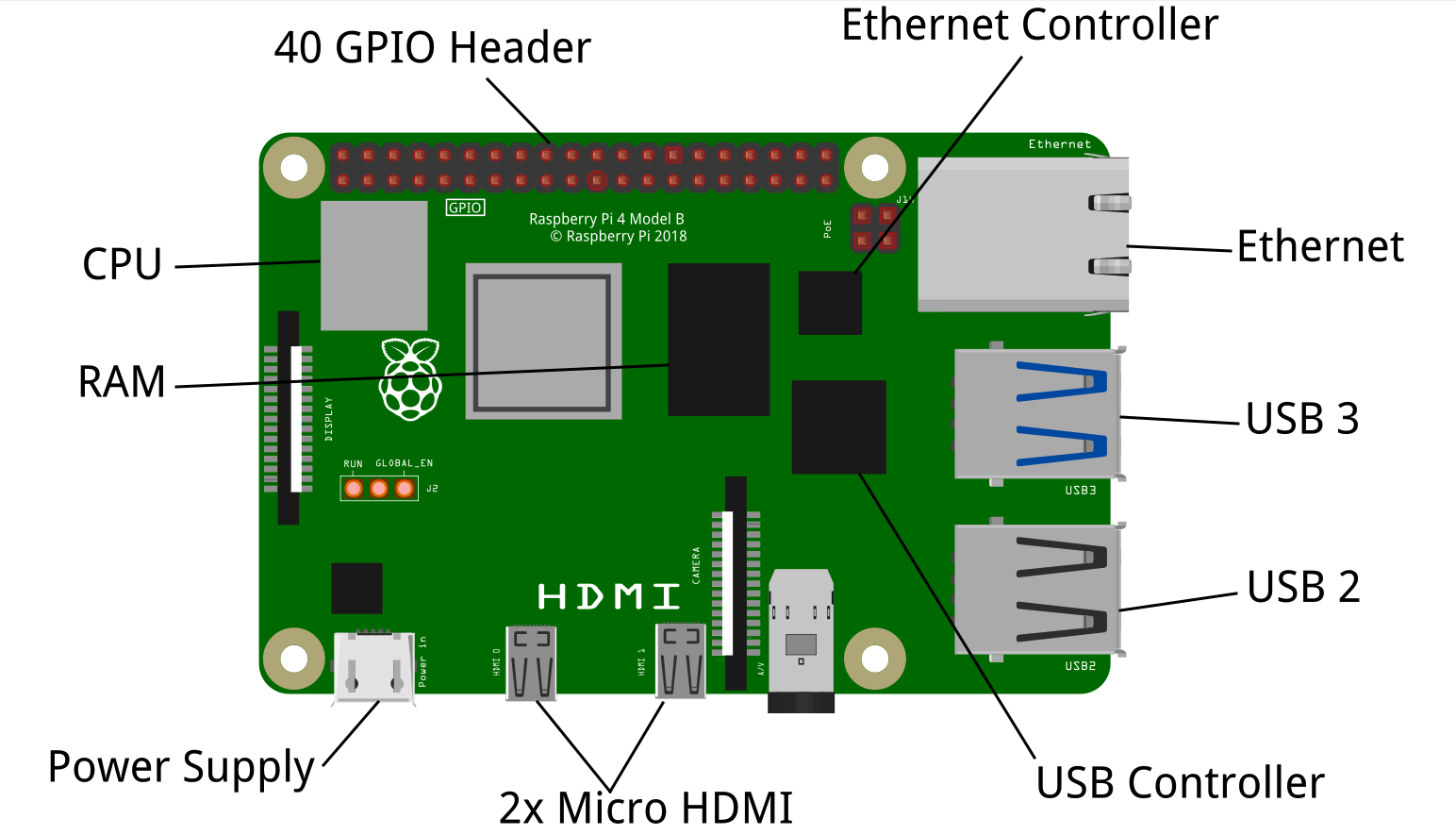
    Raspberry Pi 4 Model B 8G

    A single-board computer (SBC) that was officially introduced by the Raspberry Pi Foundation in 2012. The concept for this device dates back to 2006, when the foundation began prototyping to create a low-cost, accessible tool to help students and beginners learn about computing and programming. The primary goal was educational—to provide schools, hobbyists, and learners with an affordable way to explore coding, computer science, and electronics without the expense of traditional desktop computers.

    Over time, the Raspberry Pi has grown far beyond its original purpose. Today, it is widely used not only in classrooms but also by hobbyists, researchers, and professionals worldwide. Its compact size, affordability, and versatility make it a popular choice for developing and testing software, building prototypes, automating tasks, and even deploying small-scale servers or Internet of Things (IoT) projects.

    Despite its popularity and community-driven ecosystem, the Raspberry Pi is not open-source hardware. The design diagrams are copyrighted, and the hardware is developed and maintained under the foundation’s control.

    The Raspberry Pi’s evolution demonstrates how a tool originally designed for education has become a powerful platform for innovation, experimentation, and real-world applications, all while maintaining its accessibility and low cost.


    Raspberry Pi 4 Model B 8G Specifications

    • Release: 24 June 2019
    • CPU Speed: 4× Cortex-A72 1.5 GHz or 1.8 GHz
    • RAM: 8 GB
    • USB 2: 2
    • USB 3: 2
    • USB OTG: 1 (Power USB-C)
    • HDMI: 2× HDMI (rev 2.0) via Micro-HDMI
    • Ethernet: 10/100/1000 Mbit/s
    • Wifi: b/g/n/ac dual band 2.4/5 GHz
    • Bluetooth: 5.0

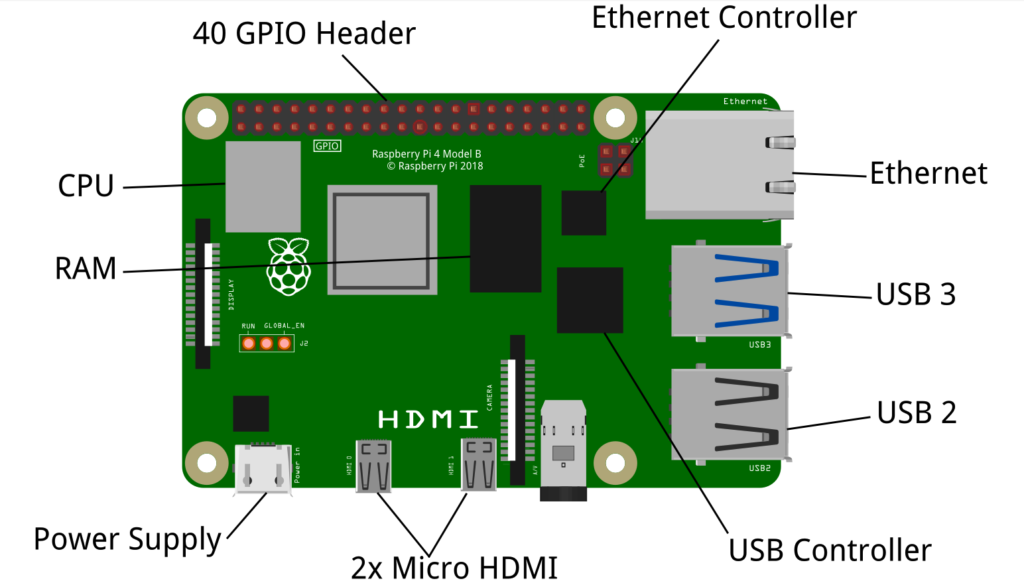
    Raspberry Pi 4 Model B 8G – Front-Side


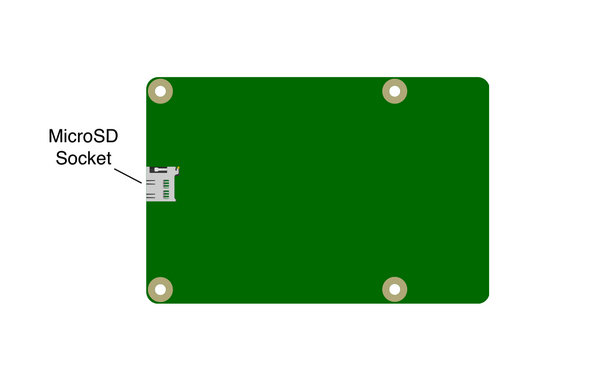
    Raspberry Pi 4 Model B 8G – Back-Side


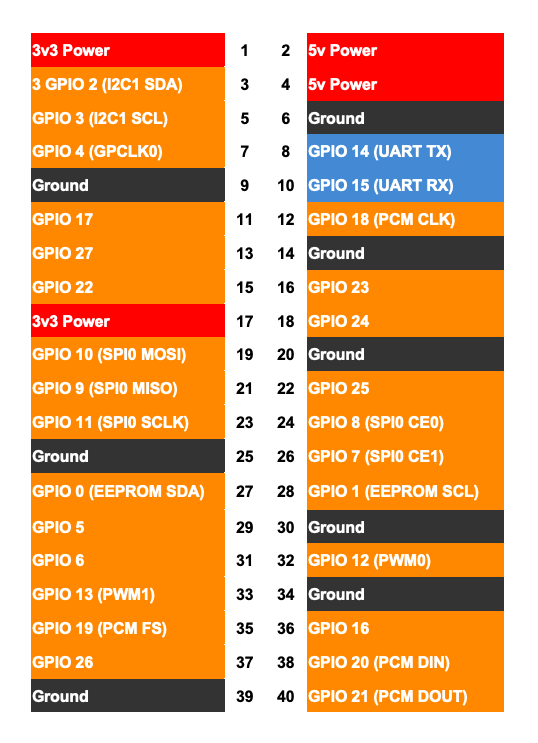
    General Purpose Input/Output Pins

    GPIO (General Purpose Input/Output) pins are versatile connectors found on microcontrollers, single-board computers such as the Raspberry Pi and Arduino, and other electronic devices. These pins enable the device to interact with the external environment by sending or receiving electrical signals. GPIO pins can be programmed to operate as inputs (to read signals) or outputs (to drive signals), making them highly adaptable for a wide range of applications.

    Digital pins

    Digital pins are input/output (I/O) interfaces on microcontrollers and single-board computers that can be used to read or set specific voltage levels. They operate using binary states, meaning they can recognize or output only two distinct conditions: LOW or HIGH.

    For example, when controlling an LED, setting a digital pin to LOW turns the LED off, while setting it to HIGH turns the LED on. These states correspond to specific voltage levels. Typically, any voltage level above approximately 2.5V is interpreted as HIGH, while anything below this threshold is considered LOW. The exact threshold values may vary depending on the specific microcontroller or board being used.

    In practice, digital pins are not limited to controlling LEDs; they are widely used for tasks such as reading the state of a button (pressed or not), controlling relays, sending signals to sensors, or driving other electronic components. Since digital pins can only represent two states, they are best suited for on/off or true/false conditions, unlike analog pins, which can represent a continuous range of values.

    Analog pins

    Analog pins are input/output (I/O) interfaces on microcontrollers and single-board computers that can read a continuous range of voltage levels, rather than just two discrete states like digital pins. Typically, they can measure voltages between 0V and 5V, though the range may vary depending on the board. This makes analog pins especially useful for applications that require precise or variable input values.

    By connecting a potentiometer (a variable resistor) to an analog pin, the microcontroller can measure different voltage levels based on the knob’s position. Turning the knob changes the resistance, which in turn alters the voltage being read, producing a value that can range from 0 to 5V. This allows the program to interpret a wide spectrum of inputs rather than just “on” or “off.”

    Internally, analog pins use an Analog-to-Digital Converter (ADC) to translate the continuous voltage into a digital value that the processor can understand. For instance, with a 10-bit ADC, the input voltage range (0–5V) is divided into 1024 discrete steps, producing values from 0 to 1023. This enables fine-grained measurement of signals that vary over time, such as light intensity (from a photoresistor), temperature (from a sensor), or sound levels (from a microphone).

    Some analog pins can also be configured for output, but this functionality is limited. Instead of producing a true continuous voltage, they typically use Pulse Width Modulation (PWM) to simulate analog signals. PWM rapidly switches a digital pin between HIGH and LOW states at different duty cycles, creating a variable-voltage effect. This allows controlling devices such as motors, LEDs (for brightness control), or audio output.

    Analog pins are essential whenever your project requires working with gradual changes or input value ranges, offering flexibility that digital pins alone cannot provide. They are ideal for tasks involving sensors and actuators that require precise control and measurement.

  • Microcontroller v.s. Microcomputer

    Microcontroller (MC, UC, μC, or MCU)

    A microcontroller is a compact, integrated computing device designed to perform specific, dedicated tasks rather than general-purpose computing. Unlike a typical computer, a microcontroller does not run a full operating system. Instead, it executes a single program or set of instructions stored in its memory to control or interact with hardware devices. Microcontrollers typically include a processor (CPU), memory (RAM and ROM/flash), and input/output peripherals on a single chip, enabling direct interaction with sensors, actuators, displays, motors, and other electronic components. They are widely used in embedded systems such as home appliances, automotive electronics, robotics, industrial machines, and IoT devices, where reliability, low power consumption, and real-time control are crucial.

    Examples

    Uses

    • Sunrise Alarm Clock: An clock that mimics the natural morning light
    • Weather Monitoring System: A system that monitors weather and sends notification

    Microcomputer (SBC)

    Also known as a system-on-a-chip (SoC) or single-board computer (SBC), this type of computer is a compact, integrated device that combines most of the essential elements of a traditional computer onto a single circuit board or chip. It typically includes a central processing unit (CPU), memory, input/output interfaces, and sometimes specialized components such as graphics processors or networking modules. These computers can perform many tasks and run full operating systems, making them suitable for a wide range of applications. While they are versatile enough for general computing, they are often designed to efficiently process data and support embedded systems, mobile devices, Internet of Things (IoT) applications, and other resource-constrained environments.

    Example

    Uses

    • Desktop: A system that’s designed to be used in one fixed location
    • Web Server: A system that delivers web content
    • Raspberry Pi Oscilloscope: A system that displays and analyzes the waveform of electronic signals
    • Home automation: A system that controls electronic devices in your home
    • Media Server: A system that delivers media content
    • Raspberry Pi Retro Gaming Machine: A system that runs retro games
    • Wi-Fi Repeater: A system that allows you to extend the coverage area of a WiFi network
    • VPN Server: A system that hosts and delivers VPN services

    General Purpose Input/Output Pins (GPIOs)

    GPIO (General Purpose Input/Output) pins are versatile connectors found on microcontrollers, single-board computers like Raspberry Pi and Arduino, and other electronic devices. These pins enable the device to interact with external components by sending or receiving electrical signals. GPIO pins can be programmed to function as inputs (to read signals) or outputs (to send signals), making them essential for a wide range of applications.

    • Digital pins are used to read or set specific voltage levels. For example, an LED can be controlled by setting the digital pin voltage to LOW (off) and HIGH (on). The LOW and HIGH states are determined using a threshold level: voltages above 2.5V are interpreted as HIGH, while voltages below 2.5V are interpreted as LOW.
    • Analog pins are designed to read any voltage between 0V and 5V, allowing precise measurement of values within this range. These pins are particularly useful for reading inputs from a potentiometer, where the value changes with the knob’s position. While analog pins can be used to send signals, their use for sending is more limited than that of digital pins.